
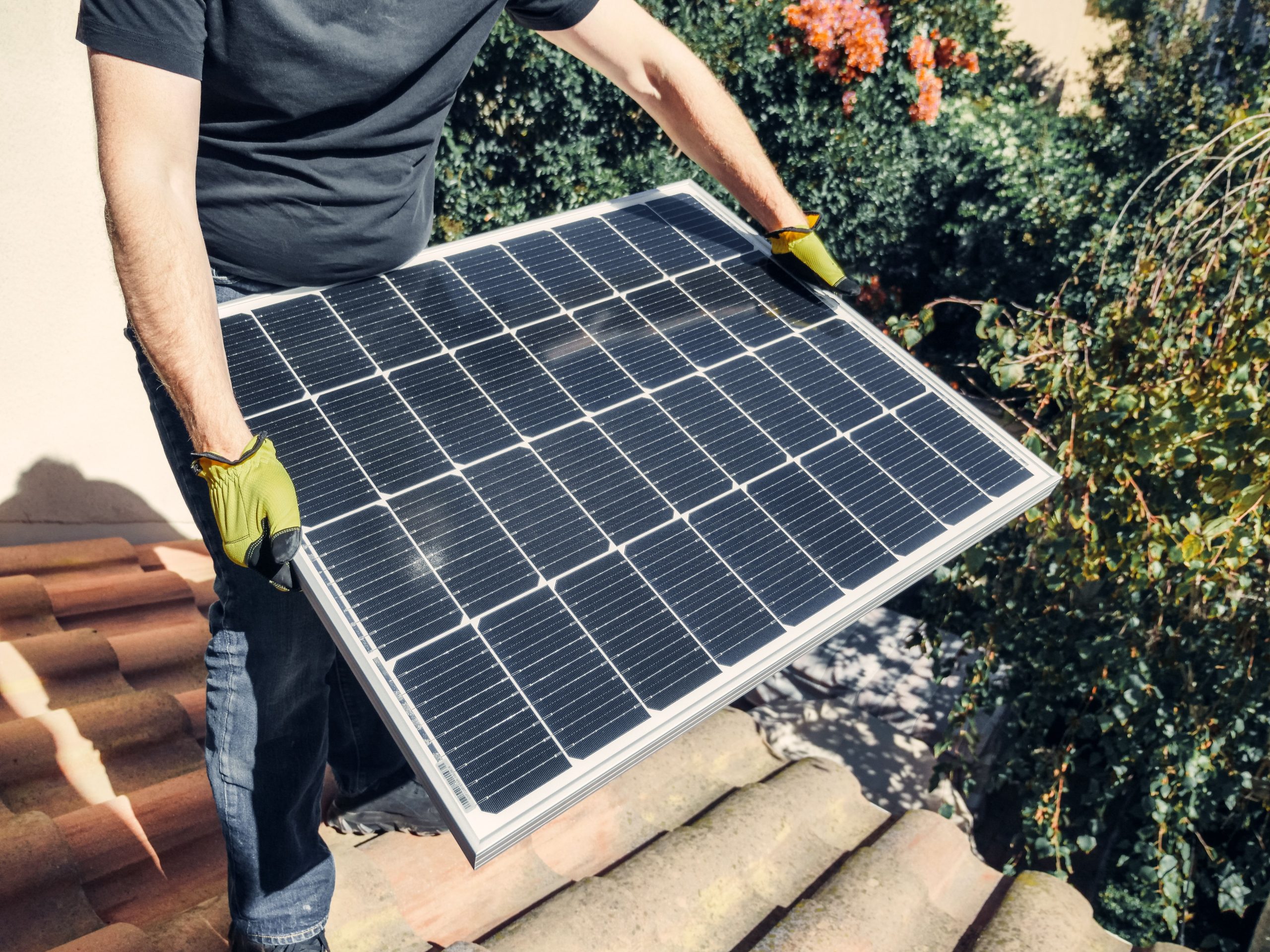
With the great variations now apparent in cost and availability of energy supply, the work of our Energy and Electrification Working Group members is focussed on practical responses to immediate needs and longer-term plans of Northside residents and businesses. This work includes influencing policy responses at all levels of government to accelerate both the transition from polluting fossil fuels to clean, cheaper renewable energy and the uses of to electrify our homes, businesses and transport.
If you are interested in joining or just finding out more about our activities please contact our Convenor at [email protected]
Details of the work of the Energy and Electrification Working Group can be viewed by following the links below:
FAQs
What is involved/expected of me if I decide to join this Working Group
Our group is made up of people from our community who are interested in renewable energy, electric vehicles and issues around making our homes and workplaces more energy efficient, electricity costs, batteries etc. who work together in our spare time, mainly online and only spending as much time as you can afford, given our busy lifestyles. Our job is to address concerns of residents, to research related topics and add to our local body of knowledge about those energy issues we want our elected representatives to engage with on our behalf. This may include issues at the local, state, national or global level.
What is household electrification?
Electrification means replacing fossil-fuel appliances in your home with efficient, modern electric alternatives powered by clean energy. In Samford Valley, this usually means switching gas cooktops, bottled LPG heaters, and hot water units to electric induction, reverse-cycle air conditioning, and heat pumps. When paired with rooftop solar and household batteries, electrification converts your home into a mini power station that cuts emissions, improves indoor air quality, and relies on renewable energy generated right on your roof.
Why should I electrify my Moreton Bay home?
It saves money, boosts comfort and shrinks your environmental footprint. Local homes face hot summers and chilly rural winter nights; efficient heat pumps and air conditioning handle both cleanly. Eliminating LPG bottles avoids rising fuel delivery costs and supply hassles. Combining all-electric appliances with rooftop solar drastically reduces quarterly power bills—giving you energy independence during grid outages and keeping your household budget protected from fossil fuel price hikes while protecting our local environment.
How do I start electrifying my home?
Start with a quick home audit to identify aging gas or LPG appliances. Prioritize replacing your highest energy consumers first—typically your hot water system or heating and cooling units. Upgrade to a modern induction cooktop when renovating. To maximize savings, install or expand a rooftop solar system tuned to Moreton Bay’s high solar exposure, and consider adding a battery. Local installers can assess your switchboard capacity early to ensure a smooth transition without unexpected electrical delays.
What is involved in charging an electric car?
Charging an electric car in Australia involves supplying electrical energy to the vehicle’s onboard battery using a compatible connector, either through household AC power points or public commercial chargers. At home, drivers can either plug into a standard 240V socket using a portable 2.4 kW “granny charger” (Level 1/Mode 2) or install a dedicated, hardwired 7.2 kW to 22 kW AC wallbox (Level 2/Mode 3) on a dedicated circuit. For commercial charging out on the road, drivers use either AC destination chargers at places like shopping centers (often untethered, requiring a BYO Type 2 cable) or commercial DC fast chargers (Level 3/Mode 4, up to 350+ kW) that feed power directly into the battery via a CCS2 connector in 15 to 30 minutes. Recent industry data shows that Australian EV owners complete roughly 80% of all their charging at home—frequently utilizing rooftop solar or overnight off-peak tariffs—with around 55% opting to install a dedicated home wallbox for faster replenishment. For further information see EV Charging
Are there public EV chargers in the City of Moreton Bay and how do I find them?
Lorem ipsum dolor sit amet, consectetur adipiscing elit. Ut elit tellus, luctus nec ullamcorper mattis, pulvinar dapibus leo.
